Recognizing the warning signs
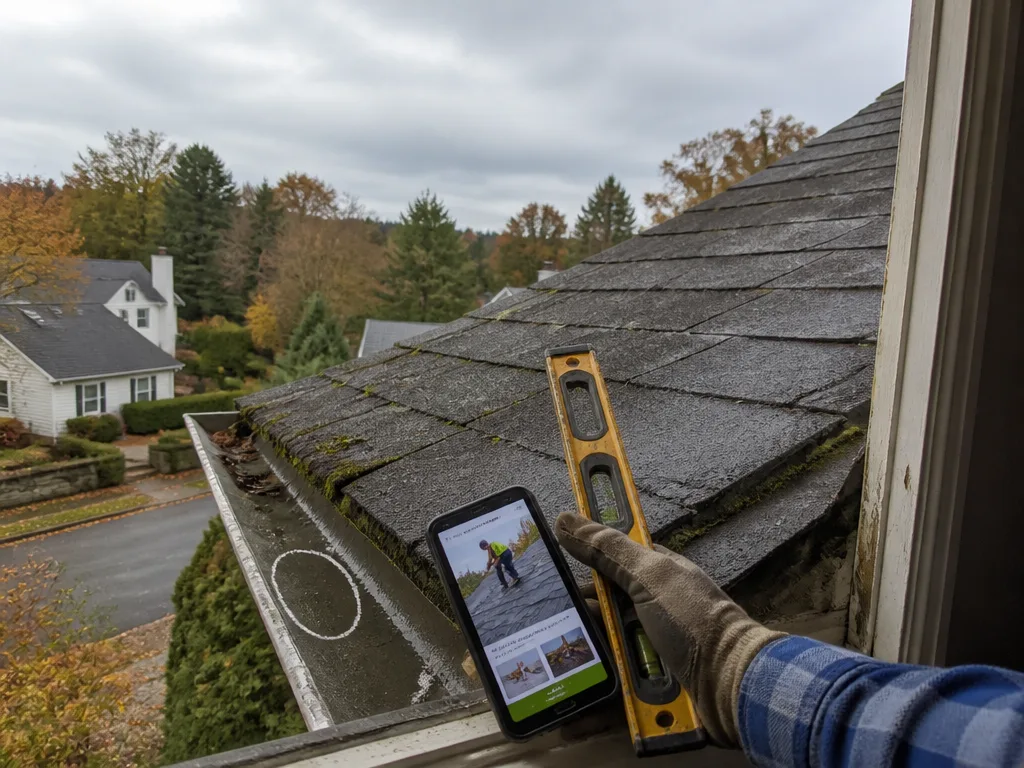
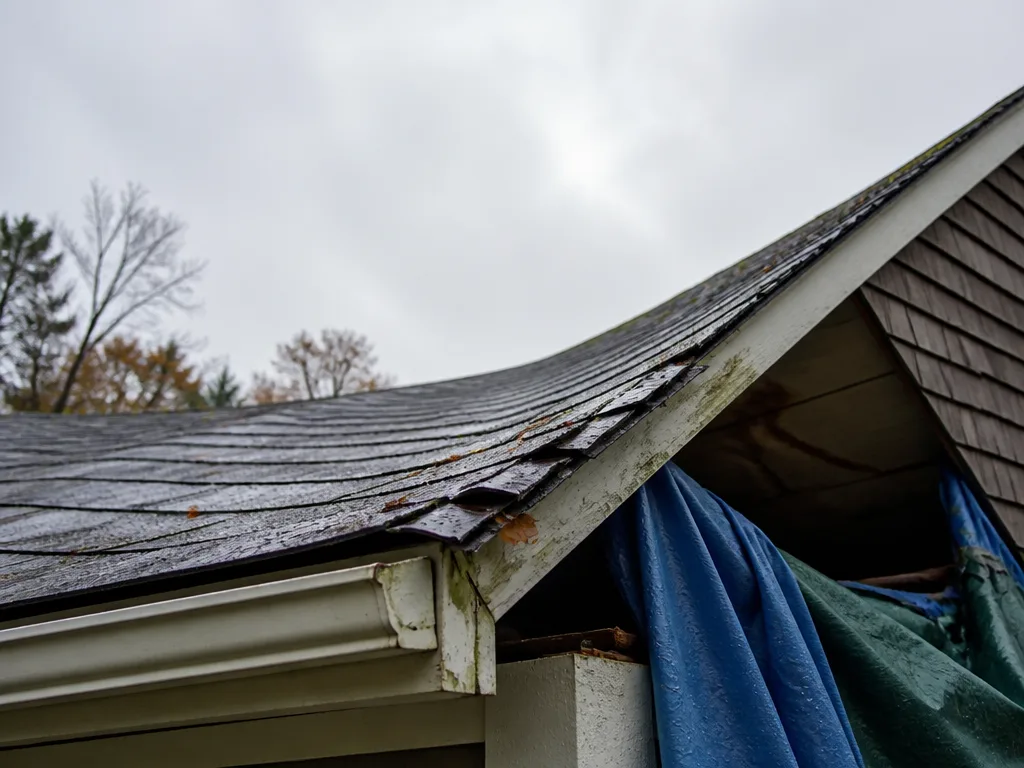
Across Connecticut, roofs endure seasonal wear from snow, rain, and humidity. You don’t need a ladder every week to spot trouble. Look for stains on ceilings or walls, a musty smell in the attic, or light filtering through attic spaces. These are clues that moisture has found its way under the roofing system. Pay attention to shingles that are curling, buckling, or missing granules. Even a few loose shingles can become a bigger issue with the next storm.
Water stains aren’t always right over the spot you see them from inside. Water can travel along framing and show up far from the leak source. Soggy insulation, warped decking, or a draft near roof edges are also red flags. If you’re in Connecticut and notice any of these indicators, don’t wait for a dramatic leak to appear. A roofer can inspect and confirm where the issue started.
What these signs usually mean for your roof
Most warning signs point to moisture intrusion. Once moisture enters the roof deck, wood can rot and metal components can rust. In Connecticut, freeze-thaw cycles can accelerate damage. If shingles are cracked or curling, wind can lift sections and create more entry points. A small air leak may become a larger energy loss problem during cold winters. Addressing signs early helps prevent costly repairs later.
Another common issue is damaged flashings around chimneys, vents, or skylights. In Connecticut, seasonal shifts stress these joints. When flashings fail, water finds its way into the attic or ceiling. A professional assessment will confirm whether resealing, re-flashing, or replacing sections is needed.
Next steps for Connecticut homeowners
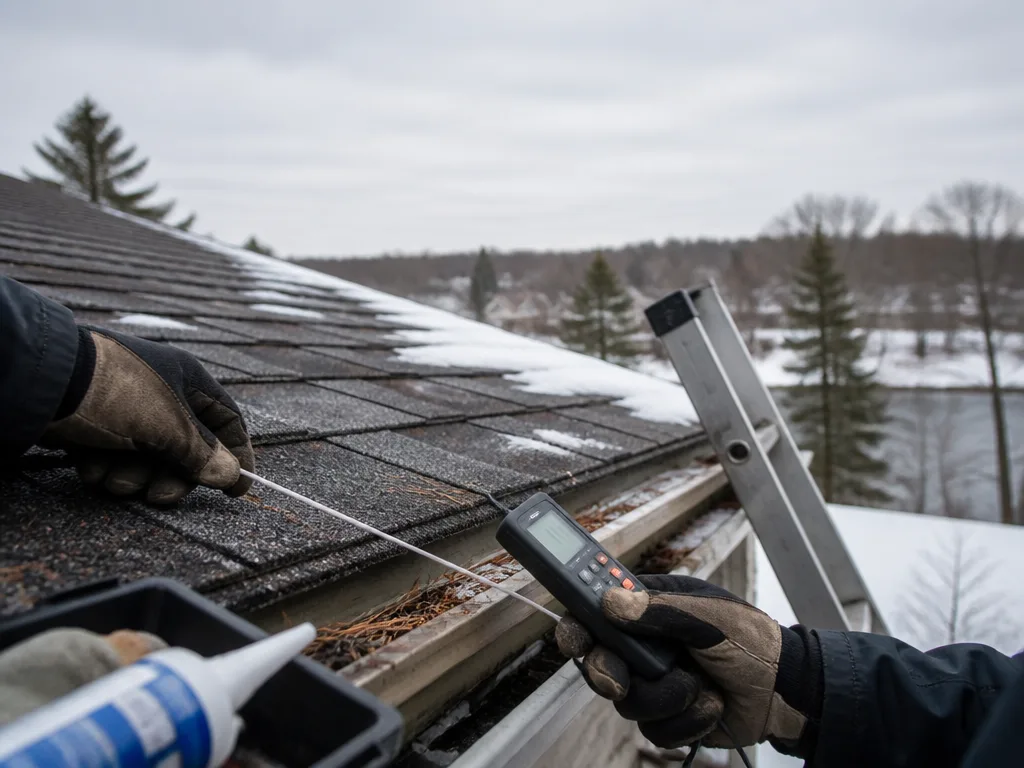
Start with a no-pressure roof inspection from a Connecticut roofing team. A skilled roofer will check shingles, flashing, and attic ventilation. They’ll look for moisture, heat damage, and signs of poor ventilation that can cause decking to warp. If you’re unsure about a spot, it’s better to have it checked now than to wait for a leak during a winter storm.
Keep a maintenance log. Note any changes you see after heavy rain, snow melt, or wind storms. This helps a roofer track patterns and plan a targeted repair. If repairs are needed, they’ll explain options in plain language and outline a practical plan for your Connecticut home.
Concrete advice you can use
Start with a quick exterior walk-around after storms. Look for lifted shingles, granule loss, or visible gaps where roof edges meet walls. In the attic, check for damp insulation and any musty odors. If you notice moisture in the attic after a storm, call a roofer to assess the roof deck and flashing. Connecticut homeowners should aim for regular inspections every fall and after major storms to stay ahead of trouble.
- Document signs with photos for your roofing contractor.
- Ask about ventilation and attic insulation to reduce moisture buildup.
- Schedule an on-site assessment if signs persist after a rainfall.